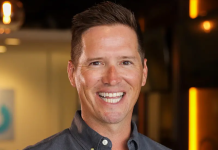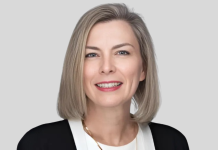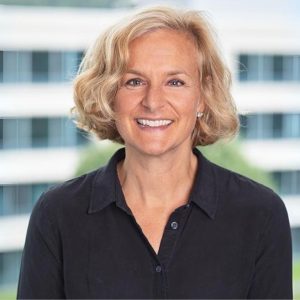
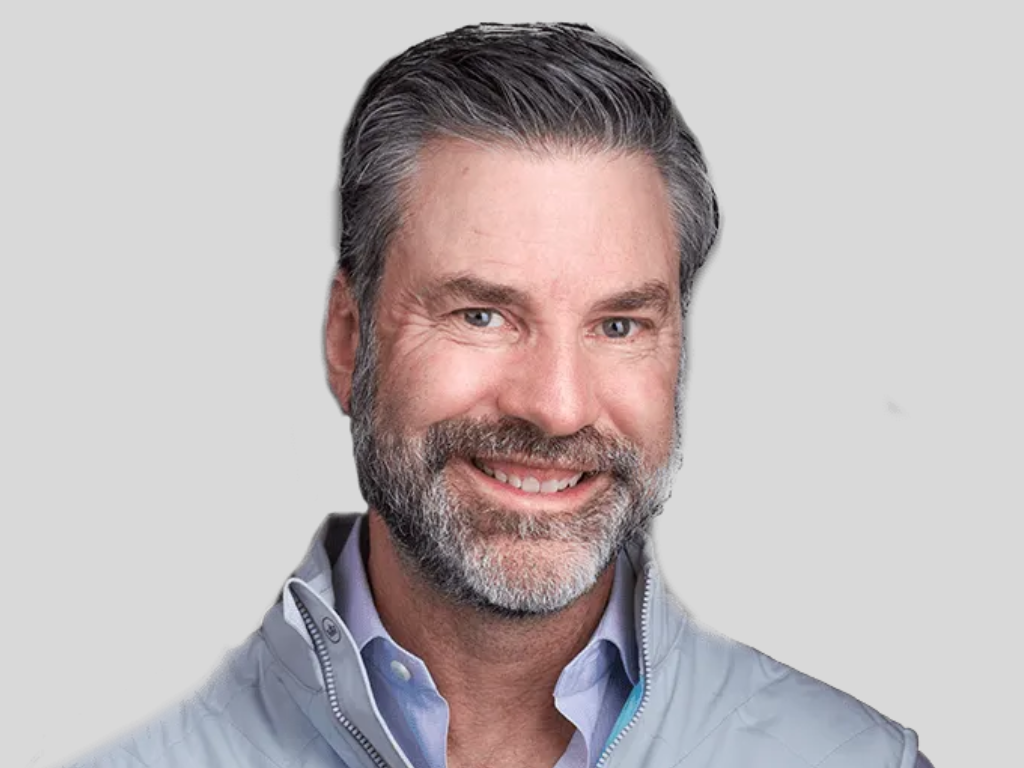
When Chris Sullens joined CentralReach in 2018, the autism care industry was entering a pressure cooker. Diagnoses were climbing, qualified clinicians were in short supply, and providers—many of them small or midsized practices—were drowning in administrative tasks. What they lacked wasn’t will or funding, it was infrastructure. That’s where Sullens came in. With a track record of scaling SaaS businesses and reshaping internal cultures, he saw a chance to rebuild the backbone of autism and intellectual and developmental disability (IDD) care.
Sullens had done this before. At WorkWave, he grew revenue eightfold and transformed a small logistics software company into a market leader. But CentralReach presented a different kind of challenge and a more personal mission. The company’s software already served clinics and schools working with people on the spectrum, but scaling it meant more than adding features. It meant meeting clinicians where they were, designing tools around real workflows, and building systems resilient enough to handle both clinical nuance and compliance complexity. So Sullens spent his first year listening—on-site with employees, in clinics with therapists, and in meetings with customers navigating a broken system.
Those conversations shaped everything that came next. Under Sullens’ leadership, CentralReach has grown into a category-defining platform serving over 200,000 users and 400,000 patients. But more importantly, it’s helped providers reclaim time: time lost to filing claims, drafting session notes, and fighting with outdated software. Through its products, the company automates administrative burdens—from building schedules to summarizing clinical sessions—without compromising HIPAA compliance or clinical integrity. Behind the scenes, CentralReach processes over 62 million service appointments per year.
But Sullens knows that tech alone doesn’t close a care gap. He has also embedded neuroinclusivity into CentralReach’s operating model. Through the ReachOut program and broader hiring practices, the company actively recruits neurodiverse employees to inform product development, internal policy, and the way care is understood from the inside out.
The stakes remain high: millions of children and adults on the spectrum, thousands of providers stretched thin, and a system struggling to keep up. But Sullens is betting that the right combination of empathy, infrastructure, and automation can shift the curve. As he puts it, “It’s rare that something bad happens when you employ empathy in a situation.”