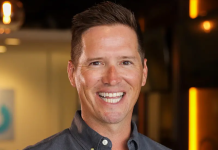

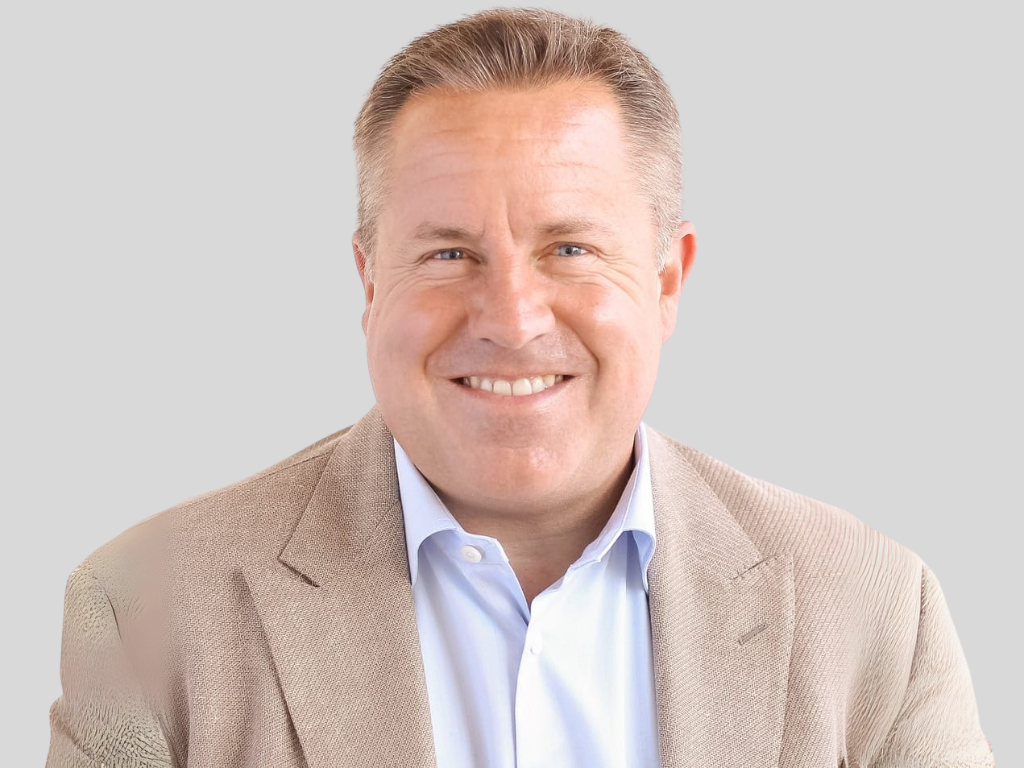
Born and raised in Orange County, Dan Rodrigues began his career writing code for companies like RealNetworks and Visio before launching a file-sharing search engine used by over 10 million people. But it was a detour into healthcare technology that would shape his legacy.
In 2004, he founded Kareo to simplify medical billing for doctors and their staff. Nearly two decades later, Rodrigues co-founded Tebra through the 2021 merger of Kareo and PatientPop, creating a unified cloud-based platform now used by over 100,000 healthcare providers.
The name Tebra, derived from “vertebra,” reflects the company’s role as the digital backbone of private practices. That vision has attracted more than $137 million in funding, including a $72 million round led by Golub Capital, bringing the company’s valuation to over $1 billion.
Rodrigues is focused not only on scaling the business but also on making it sustainable for healthcare providers. As patient expectations shift toward digital convenience, he remains conscious of the growing strain on doctors. “Patients want the same seamless, digital experience from healthcare like they have in every other aspect of their lives,” he said in an interview.
However, with providers spending an average of 15.5 hours each week on administrative tasks, burnout is becoming a widespread issue. To address this, Tebra recently launched AI Note Assist, a solution that blends empathy with technology by significantly reducing documentation time and freeing up providers to focus on patient care.
Launched in 2025, AI Note Assist is a HIPAA-compliant, ambient documentation tool that listens during visits and generates structured, editable clinical notes, reducing note-taking time by up to 50%.
“Each of my notes today took not even five minutes,” a user of the tool said. Another provider praised its ability to filter for relevance: “I feel like I can be myself in the room.” The tool supports multiple note formats, suggests ICD-10 codes, and requires no additional hardware, making it plug-and-play for time-strapped practices.
For Rodrigues, AI Note Assist is a critical step toward restoring joy and autonomy to the doctor-patient relationship. Tebra’s research shows that 82% of independent providers see face-to-face time as their edge over large networks. Rodrigues sees this as just the beginning of a broader mission: to ensure independent medicine thrives in a consumer-driven world without compromising on care.